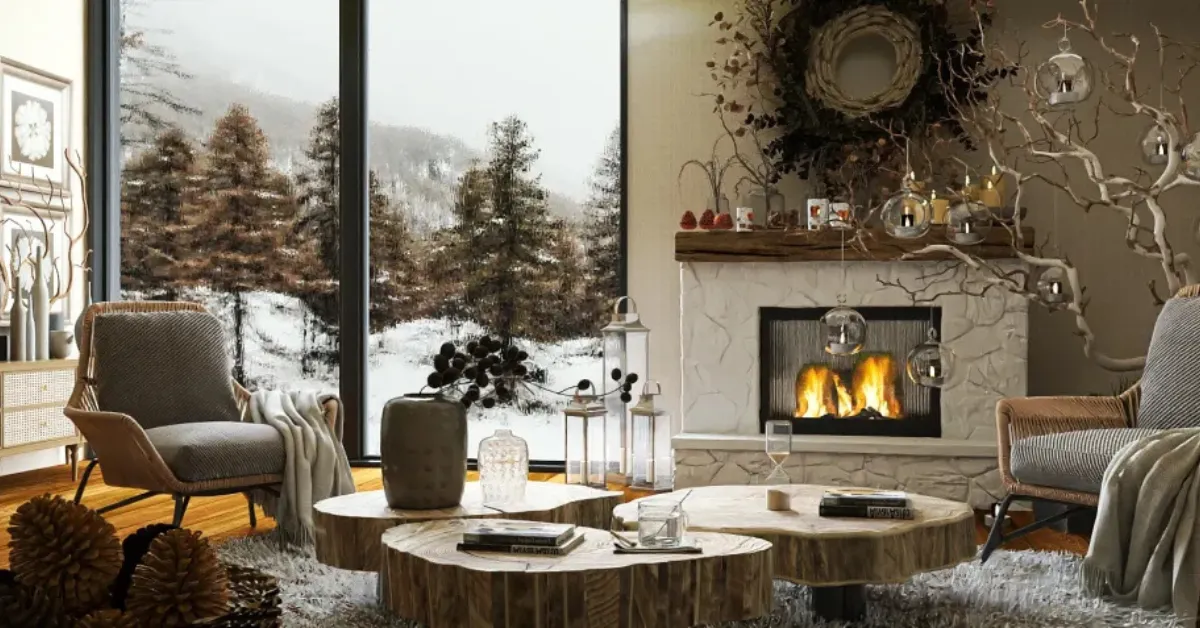
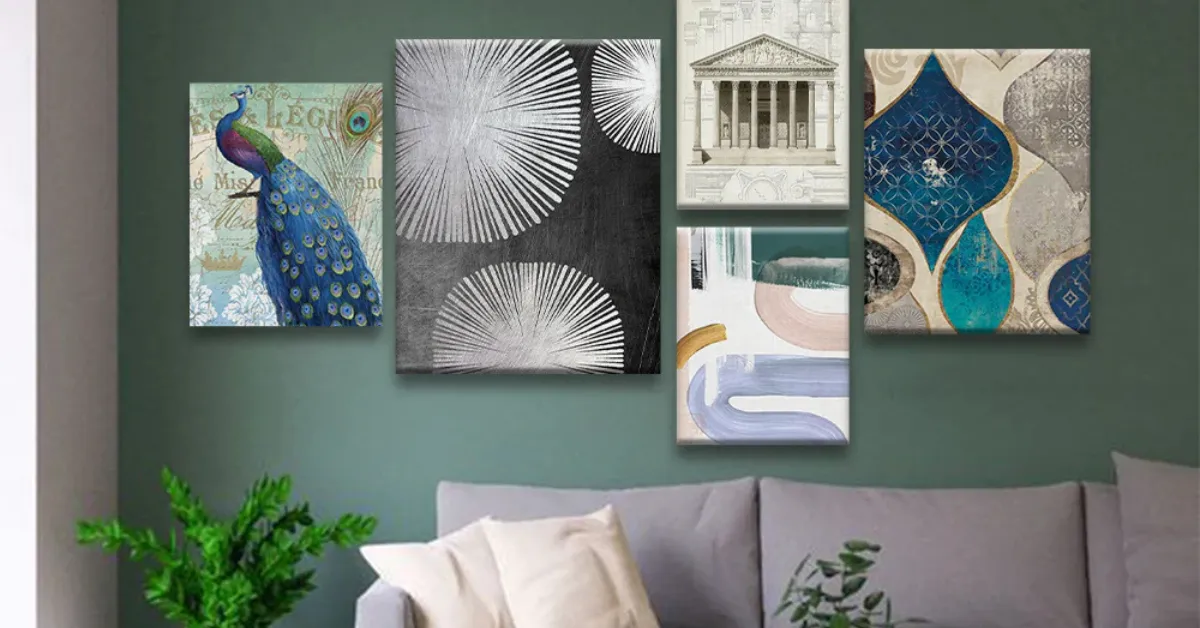
A well-chosen canvas painting can completely transform your living room, turning a blank wall into a focal point of color, texture, and personality. Canvas painting ideas for living room walls range from abstract, modern designs to serene landscapes or culturally inspired artwork, allowing you to match your space’s mood and aesthetic perfectly. The key is balancing size, scale, and color while reflecting your personal style, whether it’s a cozy cottage feel, a boho retreat, or a contemporary minimalist vibe. Incorporating elements like textured strokes, metallic accents, and layered colors adds depth, while thoughtfully curated arrangements can turn your walls into a narrative of creativity and comfort. For playful inspiration, you can also borrow ideas from lazy elf on the shelf ideas, or add whimsical touches inspired by messy elf on the shelf ideas. Creative details like elf on the shelf notes ideas can even inspire unique DIY wall art arrangements that make your living room feel personal and festive.
Choosing the Perfect Canvas Painting for Your Living Room
Selecting the right canvas painting is about more than just picking something visually appealing. It’s about creating a space that feels cohesive, welcoming, and personal. Here are the main considerations:
Understanding Color and Mood
Colors influence the emotional tone of a room. Warm hues like terracotta, amber, or deep greens create cozy, inviting spaces ideal for evenings and relaxation. Soft blues, muted greys, and earth tones foster calmness and serenity, perfect for quiet afternoons or meditation corners. If you want a vibrant, energetic living area for socializing, yellows, jewel tones, or bold abstract splashes can lift the room’s energy.
| Color Palette | Emotional Impact | Best For |
| Green, Brown, Orange | Warmth, comfort | Reading nooks, cozy evenings |
| Soft Blue, Light Grey | Calm, serenity | Quiet, reflective spaces |
| Yellow, Coral | Happiness, energy | Social or entertaining areas |
| Metallics (Gold, Silver, Brass) | Brightness, luxury | Dark rooms, accent walls |
| Vibrant Jewel Tones | Energy, conversation starter | Living rooms with lots of natural light |
For inspiration, consider living room painting ideas Lake Angelus for tranquil blues and greens that mimic natural water reflections, or living room painting ideas Orchard Lake Village if you want landscapes rich in warm, golden tones.
Matching Art to Functionality
The purpose of your living room should guide your art selection:
- Abstract pieces: Create conversation and energy. Perfect for entertaining.
- Landscapes and nature-inspired art: Provide relaxation and visual depth. Ideal for calm spaces.
- Spiritual or cultural canvases: Enhance a sense of mindfulness or tradition. Works well above seating areas or focal walls.
Interestingly, many DIY lovers who enjoy seasonal décor (like those exploring award winning no carve pumpkin decorating ideas) also prefer switching out canvas art seasonally to match mood and festivities, creating a dynamic living environment.
Personal Style and Storytelling
Your living room should reflect who you are. Don’t shy away from art that speaks to your experiences or passions. A large abstract painting next to a smaller folk-art piece can feel eclectic yet harmonious if colors or themes connect subtly. Adding personal touches, such as a painting from a memorable trip or a commissioned canvas, creates a layered narrative in your space.
Canvas Painting Styles to Consider
Here’s a detailed overview of styles and how to use them effectively:
Abstract and Geometric Art
Abstract pieces dominate modern living room décor trends. They’re versatile, can be scaled to any wall, and often feature metallic highlights, bold arcs, or layered textures.
Tips:
- Use oversized canvases as the room’s focal point.
- Introduce smaller pieces in contrasting colors on adjacent walls.
- Consider palette knives or layered paint for texture.
Do: Pair geometric abstracts with neutral furniture to create a striking visual contrast.
Don’t: Overcrow a small wall with multiple large abstracts it can feel chaotic.
Nature and Landscape Art
Landscapes, seascapes, and botanical motifs are timeless. They bring tranquility, depth, and a sense of the outdoors inside.
Practical Examples:
- A serene forest painting for a cozy reading corner.
- Ocean waves in soft blues and greens to reflect Lake Angelus scenery.
- Autumnal leaves or countryside landscapes for warmth in fall-inspired décor.
Do: Position landscapes near windows or light sources to enhance natural depth.
Don’t: Place too dark or moody scenes in poorly lit rooms they can make the space feel smaller.
Textured and 3D Canvas Art
Textured art adds tactile intrigue and dimensionality. Techniques include layered paint, rope, yarn, or metallic accents.
Pros: Creates a unique focal point, encourages interaction, hides wall imperfections.
Cons: Can be harder to clean and transport.
Do: Use textured pieces in neutral rooms to add depth.
Don’t: Place delicate textured art where it may be frequently touched or bumped.
Cultural and Spiritual Canvases
Integrating cultural, spiritual, or traditional art adds meaning and storytelling. Popular choices include:
- Buddha or meditative motifs for peace and serenity.
- Pichwai or folk art for rich color and heritage-inspired patterns.
- Symbolic animal or spiritual figures to attract positive energy.
Do: Pair culturally inspired paintings with complementary textures (wood frames, brass accents).
Don’t: Mix too many conflicting cultural styles,it can dilute the intended effect.
Arranging Canvas Art in Your Living Room
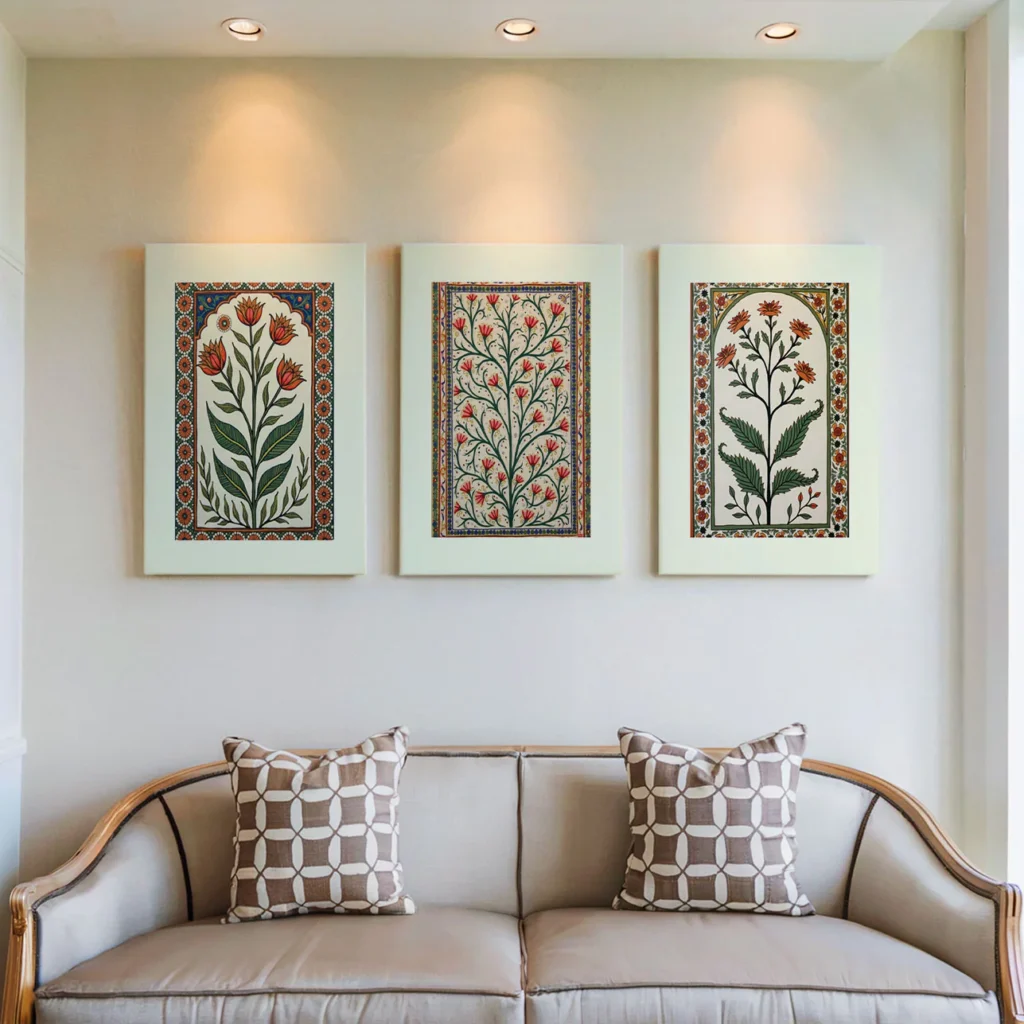
Even the best canvas painting can feel out of place without thoughtful arrangement.
Understanding Spatial Composition
- Hang the center of your artwork at roughly 57–60 inches from the floor (eye level).
- For multiple pieces, select a primary focal piece and build around it.
- Maintain visual balance,avoid clustering all heavy pieces on one side of the room.
Gallery Wall Techniques
A gallery wall allows mixing sizes, styles, and mediums for a curated, dynamic look.
Tips:
- Keep spacing consistent (5–10 cm).
- Plan layouts with kraft paper cutouts before committing to nails.
- Stick to a cohesive color theme for harmony.
Balancing Art with Room Architecture
- Oversized canvases are ideal above sofas or mantels.
- Vertical arrangements complement high ceilings.
- Use the two-thirds rule: art should span two-thirds of the furniture width beneath it.
Do: Break traditional rules if it suits your style; asymmetry can feel deliberate and modern.
Don’t: Let art “float” too far from furniture,it disconnects the visual flow.
Material and Framing Considerations
Canvas paintings vary widely in material, which affects longevity, texture, and maintenance.
| Material | Pros | Cons |
| Cotton Canvas | Affordable, flexible | Can sag over time, may need stretching |
| Linen Canvas | Durable, fine texture | Expensive, sensitive to moisture |
| Poly-Cotton Blend | Easy to clean, stable | Limited texture depth |
| Framing | Adds formal finish | Can be heavy, costlier |
| Unframed Canvas | Modern, minimal | Less protection from dust and damage |
Do: Select materials based on your lifestyle,children, pets, and high-traffic areas may benefit from more durable options.
Don’t: Ignore UV protection in sunlit rooms; colors can fade over time.
DIY Canvas Painting Projects for Your Living Room
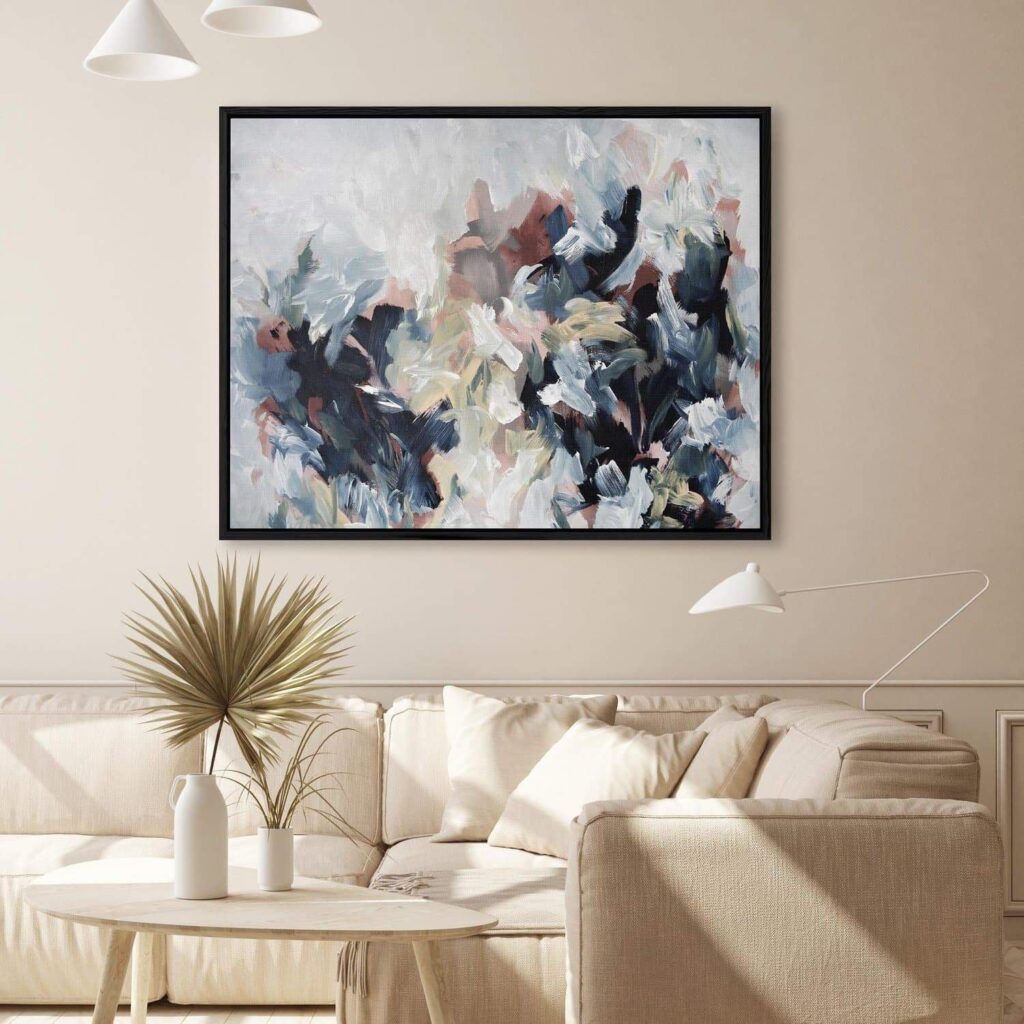
For those who enjoy hands-on creativity, DIY canvas projects can make your walls truly personal.
Simple Abstract Canvas
- Choose 2–3 complementary colors.
- Use broad brush strokes or a palette knife for texture.
- Layer metallic accents for depth.
Tip: Try dripping paint in organic patterns to mimic modern abstract trends.
Nature-Inspired DIY
- Sketch a simple botanical or landscape outline on canvas.
- Use sponges or brushes to create depth.
- Finish with highlights in white or gold for dimension.
Boho Wall Art
- Use earthy shades of brown, orange, and green.
- Incorporate freeform shapes or geometric lines.
- Add texture with yarn, rope, or dried leaves.
DIY creativity often overlaps with seasonal decorating trends if you enjoy playful creative setups like pumpkin carving party ideas, you’ll likely love experimenting with handmade canvas textures and themes throughout the year.
Do: Match DIY pieces with your existing décor for cohesion.
Don’t: Overcomplicate designs; sometimes minimalism speaks louder.
Care and Maintenance of Canvas Paintings
Preserving your artwork ensures it remains beautiful for years.
Environmental Protection
- Avoid direct sunlight; it fades pigments.
- Keep canvases away from heat vents or damp areas.
- Maintain humidity around 50–55%.
Cleaning
- Dust gently with a soft, dry brush.
- Avoid water or chemical cleaners.
- Handle by the edges to prevent smudging or denting.
Long-Term Preservation
- Store vertically with acid-free backing if removing from the wall.
- Consider padded bags for transport or moving.
- Professional restoration is recommended for valuable pieces showing signs of flaking.
Do: Rotate canvases occasionally for even exposure.
Don’t: Stack canvases flat,it risks warping and scratches.
Common Mistakes to Avoid
- Hanging art too high or too low.
- Overcrowding walls with mismatched styles.
- Ignoring room lighting or wall colors.
- Choosing pieces purely based on trend, not personal preference.
- Using inexpensive frames that don’t support the canvas adequately.
FAQs About Canvas Painting in Living Rooms
Q1: How do I choose the right size canvas?
A: Measure the wall and furniture below it; aim for art to cover about two-thirds of the width of the furniture.
Q2: Can I mix abstract and landscape paintings?
A: Yes, if you tie them together through color palettes or thematic elements.
Q3: Should I frame every canvas?
A: Not necessarily. Unframed canvases suit modern, casual spaces, while frames give a polished look.
Q4: How do I clean textured canvas paintings?
A: Dust gently with a soft brush; avoid water or chemicals.
Q5: Can I DIY large canvas art?
A: Absolutely. Start simple with abstract patterns, landscapes, or geometric designs.
Q6: How to hang multiple canvases evenly?
A: Use consistent spacing (5–10 cm), plan with paper cutouts, and select a central focal piece.
Q7: What colors work best for small living rooms?
A: Lighter shades, pastels, or soft neutrals keep the room airy; add one accent painting for a pop of color.
Q8: Can I place canvas art near fireplaces?
A: Yes, but ensure heat protection; avoid direct exposure to flames or hot air vents.
Q9: How do I prevent fading in sunlit rooms?
A: Use UV-protective glass or rotate artwork periodically.
Q10: Which styles are trending in 2026?
A: Abstracts with metallic accents, textured art, nature-inspired landscapes, and culturally meaningful canvases are top picks.
Final Thoughts
Canvas painting ideas for living room walls provide endless possibilities to personalize your space. From large, statement-making abstracts to serene nature scenes or handmade DIY pieces, selecting the right canvas can redefine your room’s atmosphere. For those looking for festive inspiration, incorporating seasonal fun similar to award winning no carve pumpkin decorating ideas or exploring playful setups like funny pumpkin carving ideas can add a unique twist to your living room décor. Additionally, for creative DIY touches that bring charm and whimsy, consider elements inspired by elf on the shelf ideas to create a personalized, ever-evolving space. Whether you’re inspired by Lake Angelus blues, Orchard Lake Village landscapes, or your own DIY masterpiece, the perfect canvas awaits to elevate your living space.