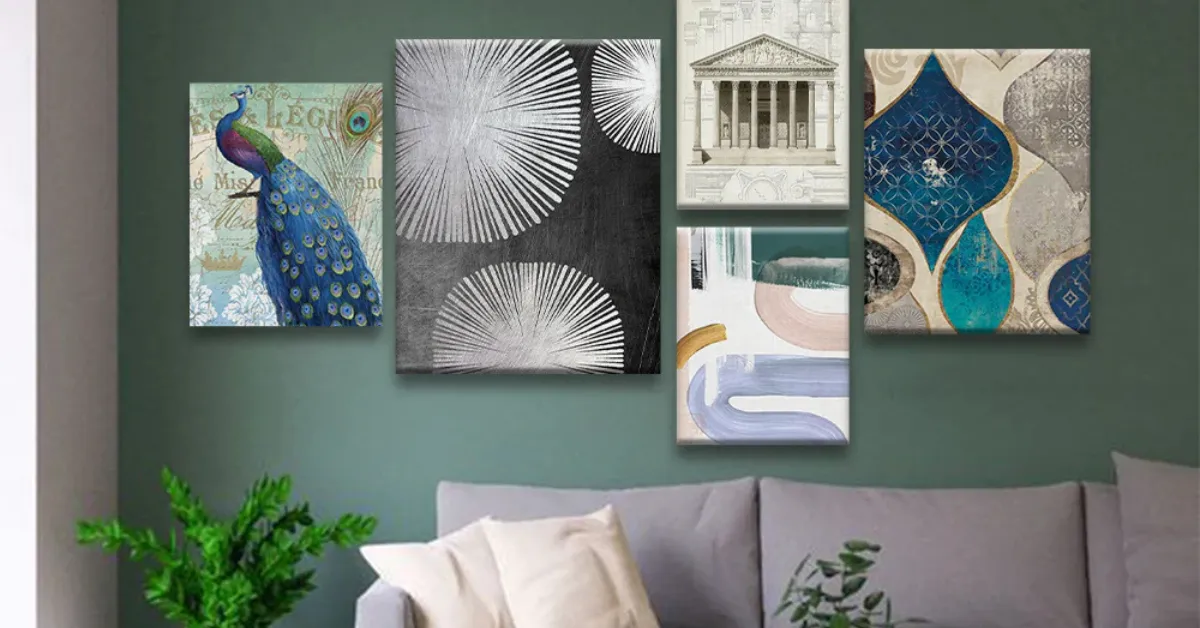
Transforming your walls with paint splatter brings an unexpected energy and playful creativity to any space. Paint splatter room ideas offer a versatile way to personalize bedrooms, living areas, and even workspaces with vibrant textures and patterns that feel both spontaneous and thoughtfully designed. From subtle monochrome accents to bold, multicolor bursts, splatter techniques allow you to express personality, elevate décor, and experiment with color and texture without committing to traditional patterns or murals. Whether you prefer DIY approaches or a slightly guided method using stencils or projectors, there are countless ways to make your walls a visual centerpiece that sparks conversation and inspires creativity.
Why Choose Paint Splatter Walls?
Paint splatter walls are more than a bold decorative statement,they introduce movement, depth, and a sense of energy to a room. Unlike standard painted walls or wallpaper, splatter designs offer a dynamic texture that changes with lighting and perspective. They can be tailored to match the mood of a space: soft pastel splatters for calm and cozy rooms, neon or metallic bursts for lively, modern areas, and monochrome or layered shades for subtle sophistication. One advantage of splatter designs is their adaptability to room size. Small spaces, like home offices or narrow hallways, can benefit from controlled splatter bands, while larger walls in living rooms or game areas can carry full-scale artistic patterns. The technique also accommodates temporary solutions removable panels, canvases, or peel-and-stick wallpaper perfect for renters or those experimenting with bold aesthetics. For a deeper dive into wall transformations, explore ideas elf on the shelf for playful inspiration, or draw creativity from elf on the shelf ideas classroom to spark interactive décor ideas. You can also find fun, whimsical DIY touches from easy elf on the shelf ideas funny to enhance your wall design projects.
Splatter Paint Techniques and Styles
1. Controlled Accent Splatter
A controlled accent approach keeps your splatter intentional and precise. Instead of covering an entire wall, focus on a horizontal band or a selected section of the wall. This works especially well in hallways, reading nooks, or behind a sofa in the living room.
How to do it:
- Mask off the area with painter’s tape.
- Use medium brushes or squeeze bottles to control splatters.
- Start with one primary color and layer secondary shades for depth.
Pros: Minimal risk of overdoing the effect; easier to repaint if you change your mind.
Cons: Requires careful masking and consistent spacing for polished results.
Example: A soft gray wall with teal and mustard splatters across a 12-inch horizontal band creates a subtle, energetic focal point without overwhelming the room.
2. Ombre Splatter Gradient
The ombre splatter effect is perfect for adding vertical depth and dynamic interest. Dense splatters cluster at the bottom, gradually thinning as they ascend toward the ceiling or vice versa.
DIY Tip: Practice on cardboard first to test color opacity and spacing. Using a gradient of two to three complementary shades enhances the visual flow.
Room Applications: Narrow hallways, small bedrooms, or studio apartments. This method visually elongates the space while disguising scuffs along baseboards.
3. Metallic Luxury Drips
Incorporating metallic paints—gold, bronze, or rose gold turns a casual splatter into a luxurious design. Metallics catch light, adding shimmer and sophistication.
Pro Advice: Use thin layers for subtle shine, and consider a satin topcoat for durability. Avoid applying thick metallic paint, which can drip unevenly.
Do This: Apply metallic splatters in dining nooks or intimate spaces for a refined, art-gallery feel.
Don’t Do This: Avoid heavy metallic coverage across large, sunlit walls it can feel overbearing.
4. Chalk-Splatter Play Wall
For family-friendly spaces, chalk paint splatters on a washable matte base allow kids to participate. Children can doodle over the splatter and erase freely, creating an interactive and evolving wall.
Practical Tip: Use a resilient base coat and protect surrounding furniture with drop cloths. Clear zones around seating prevent accidental stains.
Real-Life Scenario: In a child’s bedroom, a blue matte base with pastel chalk splatters encourages creative play while keeping the mess contained.
5. Monochrome Sophistication
Layered shades of one color such as gray, white, or beige create a textured, minimalist look. This subtle approach suits contemporary or Scandinavian-style interiors, adding depth without chaotic energy.
Example: A studio apartment transformed with layered gray splatters resulted in a tactile, gallery-like ambiance that felt refined yet engaging.
DIY Tip: Allow adequate drying time between layers to maintain clear separation and subtle texture.
Specialized Splatter Concepts
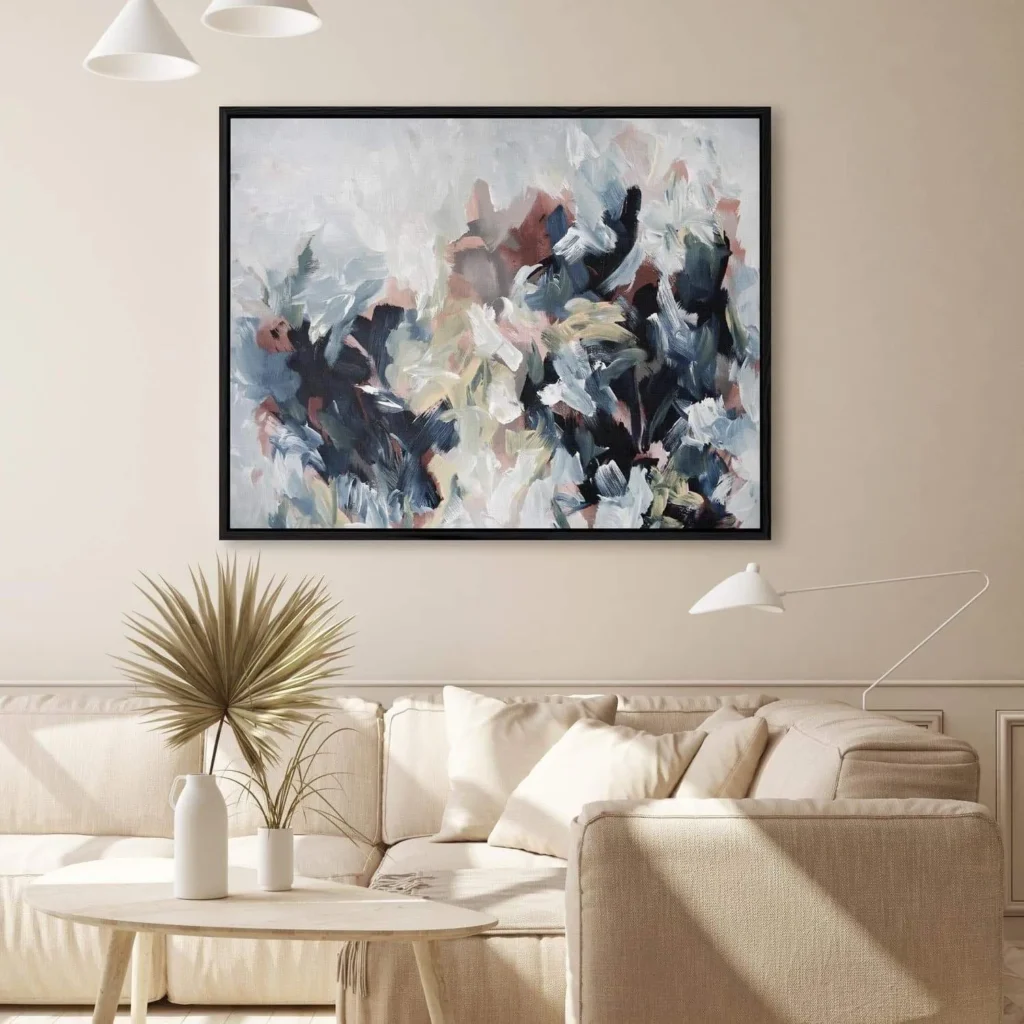
Interactive and Temporary Panels
If permanent walls feel risky, splatter-painted panels or canvases are ideal. They can be swapped seasonally, moved between rooms, or used in rentals without damaging surfaces. MDF, stretched canvas, or thick plywood panels all work well.
Blacklight and Neon Splatter
UV-reactive paints on a dark base create glowing effects under blacklight, ideal for teen bedrooms, game rooms, or media spaces. Pair neon splatters with neutral furniture to balance vibrancy and functionality.
Ceiling Splashes
Unexpected ceiling splatters turn the room into a modern art installation while leaving wall space free for furniture. This works particularly well in small bedrooms or offices with limited wall area.
Tools and Materials for Successful Splatter
| Material/Tool | Purpose | Pros | Cons |
| Acrylic or latex paints | Base or splatter | Easy to clean; wide color range | May require multiple layers for coverage |
| Metallic paints | Accent splatters | Reflective, luxurious finish | Higher cost, may require careful layering |
| Brushes (varied sizes) | Controlled or free splatters | Precision and texture | Learning curve for consistent splatter |
| Squeeze bottles | Fine lines or dots | Less messy, repeatable | Limited for larger splatters |
| Sponges | Textured or speckled effects | Adds depth, unique texture | Can create uneven splatter if not careful |
| Drop cloths & painter’s tape | Floor and trim protection | Keeps space clean | Must ensure complete coverage |
Pro Tip: Always test color combinations and splatter density on a cardboard or scrap panel first.
Room-Specific Splatter Ideas
Living Room
- Subtle Accent: Beige or gray wall with soft teal and gold splatters.
- Bold Statement: Full wall with multicolor splatters for a dynamic focal point behind a sofa.
- Metallic Accents: Small dining nook with rose gold drips for elegance.
Bedroom
- Ombre Gradient: Pastel splatters fading from floor to ceiling for a dreamy, serene vibe.
- Interactive Chalk Wall: Matte base for kids to doodle over playful splatters.
- Ceiling Pop: Monochrome splatters overhead to add artistic flair without overwhelming décor.
Kids & Teens’ Rooms
- Chalk-splatter or neon splatter techniques provide engaging, personal spaces.
- Combine removable panels with permanent accent walls for flexible design.
- Layer colors strategically to prevent visual chaos one dominant base color plus one or two accent hues works best.
Small Spaces and Hallways
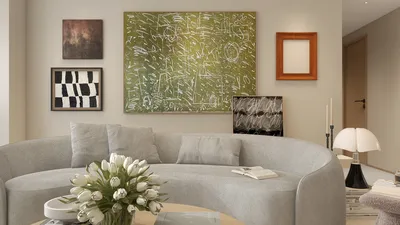
- Controlled horizontal bands or vertical ombre splatters elongate rooms visually.
- Monochrome layering keeps the area open while still adding texture.
Internal Resource: For more creative room transformations, see our guide on small space DIY wall projects.
Common Mistakes to Avoid
- Skipping Floor Protection: Always use heavy-duty drop cloths; paint can splatter farther than expected.
- Overcrowding Colors: Too many contrasting hues can overwhelm the space. Stick to a dominant base and one or two accent shades.
- Ignoring Drying Times: Layered techniques need patience. Rushing can cause smudging or color blending.
- Neglecting Wall Prep: Uneven or unprimed surfaces may absorb paint inconsistently. Sand and prime for best results.
- Using Non-Washable Paints for Interactive Walls: For kid-friendly walls, ensure base and accent paints are easily washable.
Step-by-Step DIY Splatter Wall
- Prepare the Space: Move furniture, cover floors, and tape trim.
- Select a Base Color: Apply two coats for even coverage and allow to dry.
- Test Splatter Technique: Use cardboard or MDF panel to experiment with brush pressure, color layering, and density.
- Apply Splatter: Start with the lightest color, layering darker or metallic accents gradually.
- Refine Details: Use fine brushes to smooth edges or add dots and tails to mimic natural splatter patterns.
- Seal (Optional): Apply a clear satin varnish for durability, particularly in high-traffic areas.
FAQs About Paint Splatter Walls
1. Are paint splatter walls hard to clean?
With washable latex or acrylic paints, simple dusting or a damp cloth is usually enough. For added protection, apply a clear varnish layer over splatters.
2. Can splatter walls work in rentals?
Yes. Removable wallpaper, temporary panels, or canvases allow renters to enjoy bold designs without permanent changes.
3. What paints work best for splatter?
Acrylic or latex paints for base and splatters. Metallic or neon paints are optional for highlights.
4. How do I protect floors and furniture?
Use 6-mil plastic drop cloths and painter’s tape. Cover movable furniture completely.
5. What is the typical cost of a DIY splatter wall?
Small DIY projects can be under $100; metallic or layered designs with professional finishes can cost several hundred dollars.
6. How do I choose colors for small rooms?
Select a neutral base with one or two accent colors. Lighter base tones keep the room airy while splatters add personality.
7. Can children help with splatter walls?
Yes, using washable paints on controlled areas. Chalk-splatter designs are perfect for interactive fun.
8. How do I achieve a realistic “random” effect?
Vary brush sizes, flicking angles, and layering density. Testing on cardboard first ensures a natural look.
9. Can splatter techniques be digitally previewed?
Mockups and 3D renderings help visualize placement, scale, and color before painting.
10. Is ceiling splatter suitable for all room types?
Best for small bedrooms, offices, or creative studios. Avoid overly busy ceilings in rooms with low ceilings or heavy furniture.
Conclusion
Paint splatter room ideas are a flexible, expressive way to make walls unforgettable. From controlled accent bands to playful chalk-splatter zones, metallic drips, and ombre gradients, these techniques can fit any room, mood, or personality. By combining thoughtful color palettes, proper preparation, and patience in layering, your splatter wall transforms a simple interior into a lively, artful environment. Whether creating a playful space for children, a sophisticated statement in the living room, or interactive walls in compact apartments, splatter designs offer endless creative possibilities for modern interiors. For further inspiration, explore easy elf on the shelf ideas funny for playful, whimsical accents, or check out elf on the shelf idea funny to spark interactive creativity. You can also incorporate clever DIY tips from elf on the shelf free printable ideas to add unique, personal touches to your wall décor.