Small rooms do not have to feel cramped or limiting. The right paint choices can dramatically change how a space feels, making walls appear farther apart, ceilings look higher, and natural light travel more freely around the room. Thoughtful color selection, strategic patterns, and clever placement techniques can visually expand a compact space without any structural changes. Painting ideas for small rooms focus on creating depth, brightness, and visual continuity. Soft neutrals, cool tones, and reflective finishes help bounce light across surfaces, while techniques like color drenching, accent walls, and ceiling treatments blur boundaries and guide the eye through the room.
From window painting ideas for living rooms to smart paint ideas for open living room and kitchen layouts, the following inspiration offers practical ways to transform smaller spaces into rooms that feel open, comfortable, and beautifully designed. Homeowners who enjoy creative seasonal décor may also find inspiration in DIY trends such as pumpkin decorating ideas no carve, funniest pumpkin carving ideas, or planning fun gatherings with ideas for pumpkin carving party, where color and creativity play an important role in decorating spaces.
Why Paint Has Such a Powerful Effect in Small Spaces
Paint changes more than color. It influences how the human eye interprets distance, depth, and light. Interior designers often use simple paint strategies to reshape how a room feels without touching the layout.
Light colors tend to reflect more natural light, reducing shadows and creating an airy feeling. Darker tones can also work surprisingly well by softening corners and creating depth that visually pushes walls outward.
According to research on color perception from the University of California, color contrast and brightness influence how the brain interprets spatial distance, which explains why certain shades make walls appear closer or farther away.
Understanding these visual tricks makes it easier to choose paint ideas that turn even the smallest rooms into welcoming, balanced spaces.
Light and Reflective Colors That Open Up a Room
One of the most reliable painting ideas for small rooms is choosing light colors that reflect natural and artificial light.
Soft neutrals create a smooth visual flow throughout the room. Instead of stopping at the walls, the eye continues across surfaces, making the space appear larger.
Popular light colors for small rooms include:
- Soft white
- Cream
- Pale gray
- Light sage green
- Powder blue
- Warm beige
These shades allow furniture and décor to stand out without visually crowding the room.
Best Uses for Light Paint
| Room Type | Recommended Shade | Why It Works |
| Small bedroom | Soft white or pale gray | Creates calm and brightness |
| Narrow hallway | Light beige or cream | Reflects light and widens appearance |
| Small living room | Pale blue or sage | Adds color while maintaining openness |
| Studio apartment | Warm off-white | Maintains a cohesive, airy environment |
If you enjoy creative décor projects, pairing light wall colors with handcrafted décor works beautifully. Handmade wall accents and painted shelves can add personality without overwhelming the space, similar to many ideas featured throughout DiyXpert’s home décor inspiration library.
Color Drenching for a Seamless Look
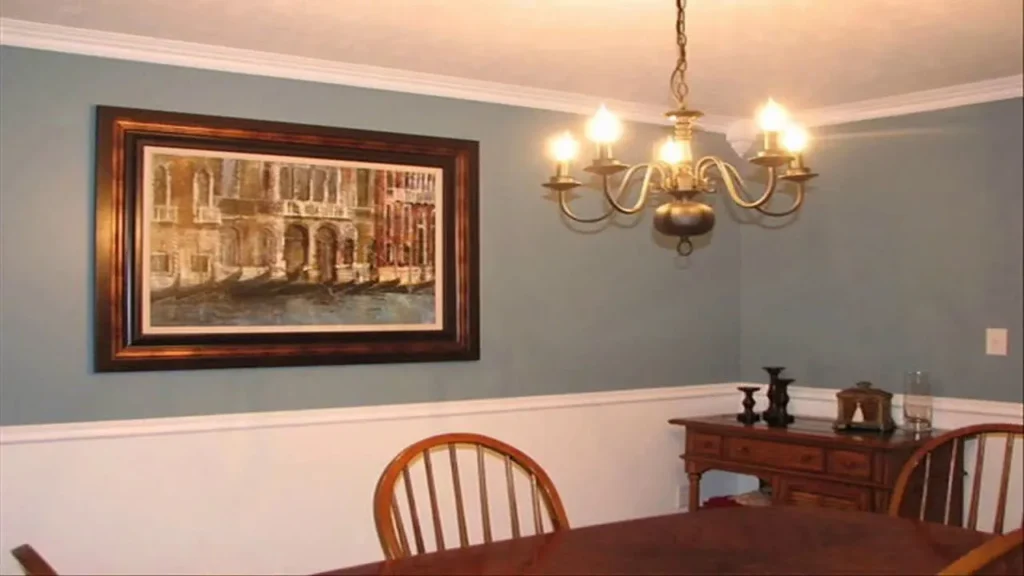
Color drenching is a design technique that has become increasingly popular in modern interiors. Instead of painting walls, trim, and ceilings different colors, everything is painted the same shade.
This approach removes the visual lines that normally divide surfaces.
When the eye cannot easily detect where the wall ends and the ceiling begins, the entire room feels larger and more unified.
How to Use Color Drenching Successfully
Choose one medium tone and apply it consistently across:
- Walls
- Baseboards
- Window frames
- Doors
- Ceiling
Muted greens, dusty blues, and warm neutrals work particularly well for this technique.
In small reading nooks or compact home offices, color drenching can transform the room into a cozy yet visually expansive retreat.
Accent Walls That Create Depth
Accent walls are one of the simplest ways to experiment with bold paint without overwhelming a small room.
Instead of painting all four walls in a strong color, one wall becomes a focal point. This draws the eye forward and gives the illusion of additional depth.
Accent Wall Placement Tips
Good locations for accent walls include:
- The wall behind a bed
- The wall behind a sofa
- The far wall in a narrow room
- A fireplace or built-in shelving area
A deep navy, charcoal gray, or forest green accent wall can add character while still keeping the overall space balanced.
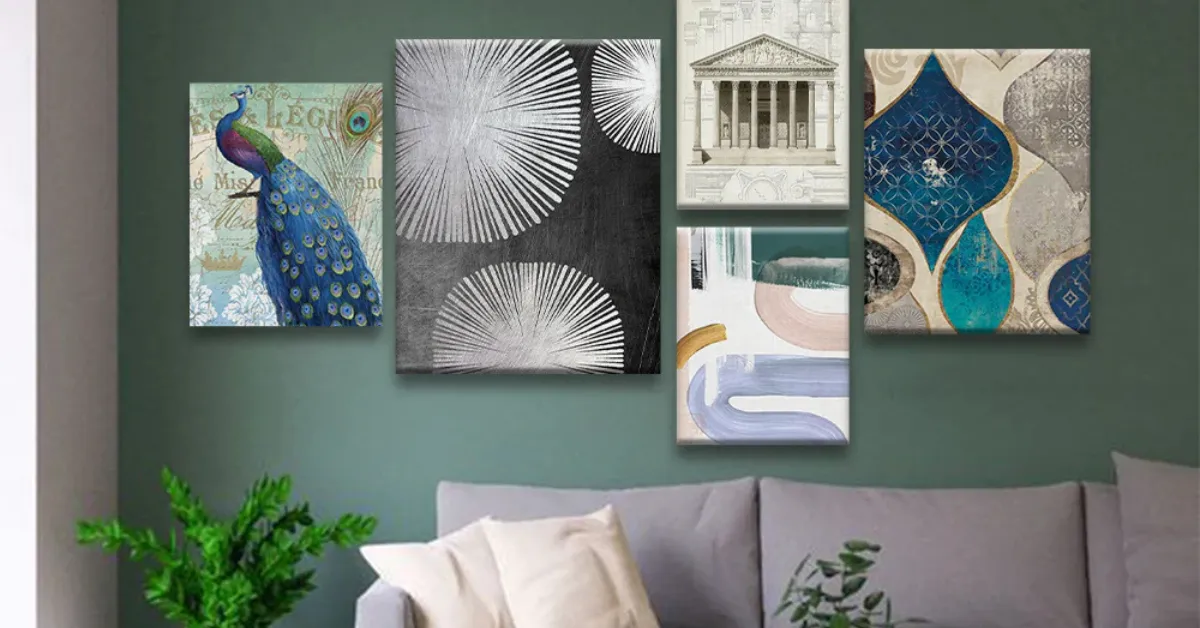
When paired with creative décor such as framed artwork or handmade wall panels, accent walls become an artistic centerpiece rather than simply a background color.
Window Painting Ideas for Living Room Brightness
Windows play a critical role in how paint performs in a room. In small living rooms especially, paint around windows can either block light or amplify it.
Smart window painting ideas for living room spaces focus on blending trim colors with surrounding walls so natural light flows uninterrupted.
Effective Window Paint Strategies
Paint window trim the same color as the wall
This eliminates contrast lines and helps the wall appear larger.
Use slightly glossier finishes around windows
A semi-gloss trim finish reflects sunlight and brightens the surrounding wall.
Extend wall color onto window frames
This technique makes windows look larger and helps the wall feel continuous.
For living rooms with limited natural light, pale blues and warm whites can help mimic the brightness of daylight.
Paint Ideas for Open Living Room and Kitchen Layouts
Small homes and apartments often combine living rooms and kitchens into one open space. The challenge is maintaining visual flow while still defining each area.
Paint can help subtly divide the space without walls.
Popular Open Space Paint Ideas
| Area | Color Approach | Result |
| Kitchen walls | Slightly deeper neutral | Defines cooking zone |
| Living room walls | Lighter complementary shade | Keeps seating area open |
| Ceiling | Uniform white or off-white | Unifies the entire space |
| Cabinets | Contrasting accent color | Adds character without shrinking the room |
For example, soft gray living room walls paired with a deeper gray kitchen backsplash can visually separate the spaces while maintaining harmony.
This approach works especially well in apartments and smaller homes where physical dividers would make the space feel crowded.
Vertical and Horizontal Stripes That Change Room Proportions
Patterns are a surprisingly effective way to manipulate the perception of space.
Stripes guide the eye in a particular direction, which influences how large the room appears.
Stripe Techniques for Small Rooms
Vertical stripes draw the eye upward, making ceilings appear higher.
Horizontal stripes stretch the walls visually, making narrow rooms feel wider.
However, moderation is important. Too many stripes can overwhelm a small space.
A single striped accent wall usually provides the best balance between visual interest and spaciousness.
Ceiling Painting Tricks That Lift the Room
Ceilings are often overlooked when painting, yet they play a powerful role in shaping how large a room feels.
Interior designers sometimes call the ceiling the “fifth wall” because it completes the visual frame of the space.
Ceiling Paint Ideas for Small Rooms
- Paint ceilings a shade lighter than the walls
- Extend ceiling color slightly onto the top of the wall
- Use glossy or satin finishes to reflect light
- Add subtle color instead of stark white
A pale sky-blue ceiling can create the illusion of openness, especially in small bedrooms or bathrooms.
According to research referenced in design psychology studies documented on Wikipedia’s color theory pages, lighter overhead surfaces create the perception of greater height because they reflect more ambient light.
When Dark Paint Colors Actually Make Rooms Look Bigger
It may sound surprising, but darker colors can also work beautifully in small spaces.
Deep colors blur the edges of a room, making it harder for the eye to define where walls end.
This softens corners and creates a sense of depth.
Dark Colors That Work Well in Small Rooms
- Charcoal gray
- Navy blue
- Forest green
- Deep teal
- Rich chocolate brown
The key is balancing dark walls with lighter furniture, mirrors, and reflective surfaces.
Dark paint combined with metallic accents or glass décor can create a dramatic yet spacious atmosphere.
Budget-Friendly Paint Ideas for Small Rooms
Refreshing a small room does not require a large budget. In fact, smaller spaces are often the most affordable rooms to transform with paint.
Here are several low-cost painting strategies.
Budget Paint Projects
| Project | Cost Level | Impact |
| Accent wall | Low | Adds depth instantly |
| Painted headboard wall | Low | Replaces expensive furniture |
| Two-tone wall design | Low | Adds dimension |
| Painted shelving or cabinets | Low to medium | Creates focal points |
Many DIY enthusiasts also combine paint with creative wall décor projects. Painted geometric patterns or stenciled borders can make a room feel personalized without spending much.
Common Mistakes When Painting Small Rooms
Even beautiful paint colors can fail if used incorrectly. Avoiding a few common mistakes helps maintain the spacious illusion.
Mistake 1: Too Many Contrasting Colors
Strong contrasts break the room into smaller visual sections.
Instead, stick to a cohesive palette.
Mistake 2: Dark Ceilings Without Balance
Dark ceilings can lower the perceived height of a room unless paired with strong lighting and light walls.
Mistake 3: Ignoring Natural Light
Paint colors shift dramatically depending on lighting. Always test a sample before painting the entire room.
Mistake 4: Glossy Walls Everywhere
High gloss reflects light but also highlights imperfections. Matte or eggshell finishes usually work better for small rooms.
Smart DIY Painting Tips for a Professional Result
A beautiful paint job depends on preparation as much as color selection.
Professional-looking results often come from small details that DIY enthusiasts sometimes overlook.
Helpful DIY Painting Tips
Clean walls thoroughly before painting to help paint adhere smoothly.
Use painter’s tape carefully around trim and edges for crisp lines.
Test paint samples in multiple lighting conditions before committing to a full room.
Paint large surfaces first, then trim and detail areas afterward.
Small rooms also benefit from thoughtful decorating after painting. Mirrors, floating shelves, and handmade décor pieces reflect light and maintain openness.
FAQs
What paint color makes a small room look the biggest?
Light neutral colors such as soft white, pale gray, and light beige are among the most effective choices. These shades reflect light and reduce visual boundaries, making the space appear larger.
Can dark colors work in small rooms?
Yes. Deep colors like navy or charcoal can create depth and blur corners, which may make the room feel larger when balanced with lighter furniture and décor.
Should ceilings always be white in small rooms?
Not necessarily. While white ceilings are common, using a slightly lighter shade than the walls or a subtle pastel color can enhance the perception of height.
How do stripes affect room size visually?
Vertical stripes make ceilings appear taller, while horizontal stripes make rooms look wider. Both techniques guide the eye and change the perceived proportions of the space.
What is color drenching?
Color drenching is the technique of painting walls, trim, doors, and ceilings the same color. This removes visual breaks and creates a seamless appearance that can make a room feel larger.
Are accent walls good for small rooms?
Accent walls can be very effective in small rooms. A darker or bolder color on one wall creates depth and draws attention to a focal point.
How do I choose paint for an open living room and kitchen?
Use related shades within the same color family. A lighter shade for the living room and a slightly deeper tone for the kitchen helps define the areas without breaking the visual flow.
What paint finish works best in small spaces?
Eggshell and satin finishes work well for most walls because they reflect some light without highlighting imperfections.
Should trim be a different color than walls in small rooms?
Painting trim the same color as the walls can create a seamless look and prevent the room from feeling visually divided.
How much paint is needed for a small room?
A single gallon of paint typically covers about 350 to 400 square feet, which is usually enough for one small room depending on wall size and the number of coats.
Final Thoughts on Painting Ideas for Small Rooms
Small rooms offer a perfect opportunity to experiment with creative paint techniques. From light reflective palettes to bold accent walls and color drenching, thoughtful painting ideas for small rooms can transform tight spaces into open, inviting environments. The right paint strategy can add depth, improve natural light flow, and guide the eye in ways that visually expand the room. Window painting ideas for living room spaces and cohesive paint ideas for open living room and kitchen layouts also help maintain harmony throughout compact homes.
With a little creativity and careful planning, even the smallest room can feel brighter, larger, and full of personality. Homeowners who enjoy hands-on decorating projects often appreciate seasonal DIY activities as well, such as creative cool pumpkin carving ideas, planning fun gatherings with pumpkin carving party food ideas, or trying playful designs like pumpkin carving ideas for toddlers, where creativity and design come together in unique ways.